Pharmaceuticals
Spain Liver Cancer Therapeutics Market Analysis
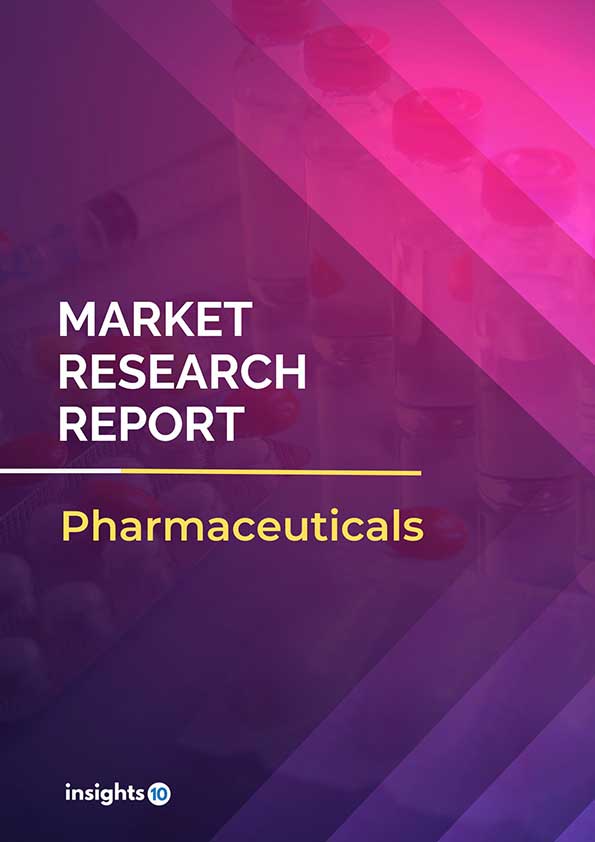
By 2030, it is anticipated that the Spain Liver Cancer Therapeutics market will reach a value of $193.2 Mn from $56.5 Mn in 2022, growing at a CAGR of 16.6% during 2022-30. Liver Cancer Therapeutics in Spain is dominated by a few domestic pharmaceutical companies such as OncoMark, Grifols, and PharmaMar. The Liver Cancer Therapeutics market in Spain is segmented into different types of cancer and different therapy types. Some of the major factors affecting the Spain Liver Cancer Therapeutics market are the growing prevalence of liver cancer and the high cost and side effects related to certain liver cancer therapies.
Buy Now

Spain Liver Cancer Therapeutics Analysis Summary
By 2030, it is anticipated that the Spain Liver Cancer Therapeutics market will reach a value of $193.2 Mn from $56.5 Mn in 2022, growing at a CAGR of 16.6% during 2022-30.
Spain is a high-income developed country located in Southwestern Europe. The coastlines include the Bay of Biscay, the Mediterranean Sea, and the Northern Atlantic Ocean. Liver or Hepatocellular malignancies account for around 13% of all gastrointestinal cancers diagnosed in Spain. For early-stage liver cancer, surgery is the chosen treatment. It entails the removal of malignant tissue from the liver.
According to the most recent WHO data, 5,098 people died from liver cancer in Spain in 2020, accounting for 1.54% of all deaths. Spain ranks 101st in the world with an age-adjusted death rate of 4.88 per 100,000 population. The surgery's success is determined by the size, location, and stage of the malignancy. In 2020, the Spanish government plans to spend 10.7 % of its GDP on healthcare. The Bloomberg Healthiest Country Index examined and ranked over 150 countries in 2019 based on life expectancy and environmental factors.
Market Dynamics
Market Growth Drivers Analysis
With around 6,000 new cases detected each year, liver cancer is a significant healthcare issue in Spain. The condition affects men more than women and is most typically diagnosed in adults aged 60 and up. Hepatitis B vaccine coverage in Spain is 93%, indicating a strong healthcare system. Spain's financial aid from European institutions has continuously increased. Furthermore, Spain's manufacturing industry has recently proved its ability to reinvent itself. These aspects could boost Spain's Liver Cancer Therapeutics market.
Market Restraints
There may be a lack of awareness and education about liver cancer prevention and treatment among the general public and healthcare professionals. This can limit demand for liver cancer therapies and hinder market expansion. Spain is very sensitive to pandemic-prone industries. It has a split labour market and substantial structural unemployment. These factors may deter new entrants into the Spain Liver Cancer Therapeutics market.
Competitive Landscape
Key Players
- PharmaMar: PharmaMar is a Spanish biopharmaceutical company that develops and manufactures drugs for various cancers, including liver cancer
- Grifols: Grifols is a Spanish multinational pharmaceutical and chemical company that has a strong presence in the country and develops and manufactures drugs for various diseases, including liver cancer
- OncoMark: OncoMark is a Spanish biotechnology company that focuses on the development of personalized medicine for various cancers, including liver cancer
- VHIO (Vall d'Hebron Institute of Oncology): VHIO is a Spanish research institute that specializes in cancer research, including liver cancer. It collaborates with several pharmaceutical and biotech companies on clinical trials and drug development
- Advancell: Advancell is a Spanish biotechnology company that focuses on the development of cell-based therapies for various cancers, including liver cancer
Recent Notable Updates
December 2022: Janssen Products has paid PharmaMar $10 Mn after reaching a commercial milestone for Yondelis (trabectedin) in the United States, as defined in the licencing agreement. In August 2019, PharmaMar agreed to a new licencing arrangement with Janssen, which superseded a 2001 licencing agreement in which Janssen retained the sole right to sell and distribute Yondelis in the United States.
Healthcare Policies and Reimbursement Scenarios
The Agencia Espanola de Medicamentos y Productos Sanitarios (AEMPS), or the Spanish Agency for Medicines and Medical Devices, is the regulatory authority in Spain in charge of licencing liver cancer therapies. The AEMPS oversees guaranteeing that all medications on the market in Spain are safe, effective, and of high quality. In Spain, funding for liver cancer therapies is mostly regulated by the national health insurance system, which is managed by the Seguridad Social.
1. Executive Summary
1.1 Disease Overview
1.2 Global Scenario
1.3 Country Overview
1.4 Healthcare Scenario in Country
1.5 Patient Journey
1.6 Health Insurance Coverage in Country
1.7 Active Pharmaceutical Ingredient (API)
1.8 Recent Developments in the Country
2. Market Size and Forecasting
2.1 Epidemiology of Disease
2.2 Market Size (With Excel & Methodology)
2.3 Market Segmentation (Check all Segments in Segmentation Section)
3. Market Dynamics
3.1 Market Drivers
3.2 Market Restraints
4. Competitive Landscape
4.1 Major Market Share
4.2 Key Company Profile (Check all Companies in the Summary Section)
4.2.1 Company
4.2.1.1 Overview
4.2.1.2 Product Applications and Services
4.2.1.3 Recent Developments
4.2.1.4 Partnerships Ecosystem
4.2.1.5 Financials (Based on Availability)
5. Reimbursement Scenario
5.1 Reimbursement Regulation
5.2 Reimbursement Process for Diagnosis
5.3 Reimbursement Process for Treatment
6. Methodology and Scope
Liver Cancer Therapeutics Segmentation
By Type (Revenue, USD Billion):
- Hepatocellular Carcinoma
- Cholangio Carcinoma
- Hepatoblastoma
- Other Types
By Treatment (Revenue, USD Billion):
- Chemotherapy
- Immunotherapy
- Targeted Therapy
- Radiation Therapy
- Ablation Therapy
- Embolization Therapy
By Equipment (Revenue, USD Billion):
- Computed Radiography
- MRI
- Sonography
- Others
By Route of Administration (Revenue, USD Billion):
- Oral
- Intravenous
By End User (Revenue, USD Billion):
- Hospitals
- Clinics
- Ambulatory Surgical Centers
Methodology for Database Creation
Our database offers a comprehensive list of healthcare centers, meticulously curated to provide detailed information on a wide range of specialties and services. It includes top-tier hospitals, clinics, and diagnostic facilities across 30 countries and 24 specialties, ensuring users can find the healthcare services they need.
Additionally, we provide a comprehensive list of Key Opinion Leaders (KOLs) based on your requirements. Our curated list captures various crucial aspects of the KOLs, offering more than just general information. Whether you're looking to boost brand awareness, drive engagement, or launch a new product, our extensive list of KOLs ensures you have the right experts by your side. Covering 30 countries and 36 specialties, our database guarantees access to the best KOLs in the healthcare industry, supporting strategic decisions and enhancing your initiatives.
How Do We Get It?
Our database is created and maintained through a combination of secondary and primary research methodologies.
1. Secondary Research
With many years of experience in the healthcare field, we have our own rich proprietary data from various past projects. This historical data serves as the foundation for our database. Our continuous process of gathering data involves:
- Analyzing historical proprietary data collected from multiple projects.
- Regularly updating our existing data sets with new findings and trends.
- Ensuring data consistency and accuracy through rigorous validation processes.
With extensive experience in the field, we have developed a proprietary GenAI-based technology that is uniquely tailored to our organization. This advanced technology enables us to scan a wide array of relevant information sources across the internet. Our data-gathering process includes:
- Searching through academic conferences, published research, citations, and social media platforms
- Collecting and compiling diverse data to build a comprehensive and detailed database
- Continuously updating our database with new information to ensure its relevance and accuracy
2. Primary Research
To complement and validate our secondary data, we engage in primary research through local tie-ups and partnerships. This process involves:
- Collaborating with local healthcare providers, hospitals, and clinics to gather real-time data.
- Conducting surveys, interviews, and field studies to collect fresh data directly from the source.
- Continuously refreshing our database to ensure that the information remains current and reliable.
- Validating secondary data through cross-referencing with primary data to ensure accuracy and relevance.
Combining Secondary and Primary Research
By integrating both secondary and primary research methodologies, we ensure that our database is comprehensive, accurate, and up-to-date. The combined process involves:
- Merging historical data from secondary research with real-time data from primary research.
- Conducting thorough data validation and cleansing to remove inconsistencies and errors.
- Organizing data into a structured format that is easily accessible and usable for various applications.
- Continuously monitoring and updating the database to reflect the latest developments and trends in the healthcare field.
Through this meticulous process, we create a final database tailored to each region and domain within the healthcare industry. This approach ensures that our clients receive reliable and relevant data, empowering them to make informed decisions and drive innovation in their respective fields.
To request a free sample copy of this report, please complete the form below.
We value your inquiry and offer free customization with every report to fulfil your exact research needs.
In Spain, the regulatory body responsible for approving liver cancer therapeutics is the Agencia Española de Medicamentos y Productos Sanitarios (AEMPS), which is the Spanish Agency for Medicines and Medical Devices.
The reimbursement of liver cancer therapeutics in Spain is largely determined by the national health insurance system, which is managed by the Seguridad Social.
Liver Cancer Therapeutics in Spain is dominated by a few domestic pharmaceutical companies such as OncoMark, Grifols and PharmaMar.

Related reports (by category)
Pharmaceuticals
UAE T-Cell Lymphoma Market Analysis
Pharmaceuticals
Indonesia Radiotherapy Market Analysis
Related reports (by geography)
Healthcare Services
Spain Alzheimer's Disease Diagnostics Market Analysis
Healthcare Services
Spain Organ-On-Chip (OOC) Market Analysis
Pharmaceuticals
Spain Anemia Drugs Market Analysis
Healthcare Services